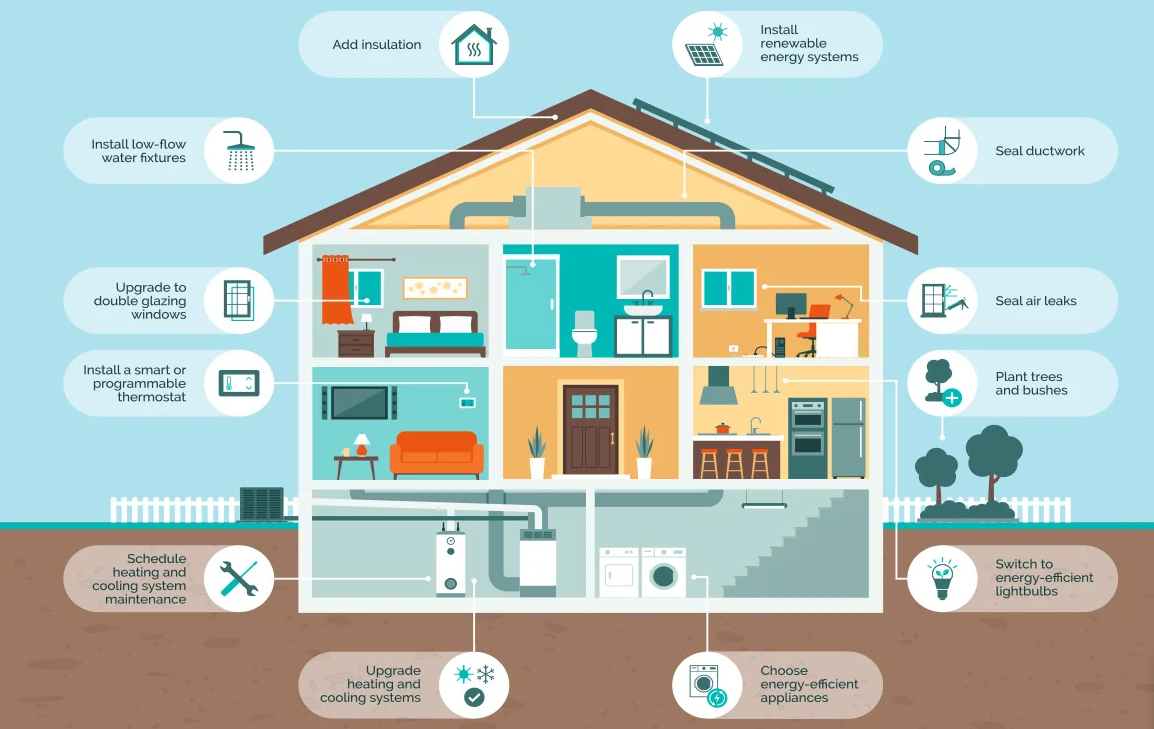
In today’s world, homeowners are increasingly focused on reducing energy consumption, lowering utility bills, and creating more sustainable living spaces. Energy-efficient home improvements are no longer just a trend—they are a necessity for both environmental responsibility and long-term financial savings. Whether you live in a warm tropical region or a cooler climate, upgrading your home with energy-saving features can significantly improve comfort and value.
This comprehensive guide explores practical, cost-effective, and high-impact energy-efficient home improvement ideas tailored for local homeowners. From simple upgrades to advanced renovations, you’ll discover how to make your home smarter, greener, and more efficient.
Why Energy Efficiency Matters
Energy efficiency isn’t just about saving money—it’s about creating a healthier and more sustainable environment. Homes that consume less energy reduce strain on power grids, decrease greenhouse gas emissions, and contribute to a cleaner planet.
Key Benefits:
- Lower monthly electricity bills
- Increased property value
- Improved indoor comfort
- Reduced environmental impact
- Potential government incentives or rebates
In many areas, energy costs are rising, making efficiency upgrades even more valuable for homeowners looking to cut expenses.
Conducting a Home Energy Audit
Before starting any improvements, it’s essential to understand where your home is losing energy. A home energy audit helps identify inefficiencies and prioritize upgrades.
What to Check:
- Insulation levels
- Air leaks around doors and windows
- HVAC system efficiency
- Lighting and appliance usage
You can hire a professional auditor or perform a DIY inspection using basic tools like thermal leak detectors and utility bill analysis.
Upgrade to Energy-Efficient Lighting
Lighting accounts for a significant portion of household energy use. Switching to energy-efficient options is one of the easiest and most affordable improvements.
Replace Traditional Bulbs with LEDs
LED bulbs use up to 80% less energy than incandescent bulbs and last much longer.
Benefits:
- Reduced electricity consumption
- Lower replacement costs
- Minimal heat emission
Install Smart Lighting Systems
Smart lighting allows you to control brightness, schedules, and usage remotely.
Features include:
- Motion sensors
- Automated timers
- Mobile app control
These systems ensure lights are only used when needed, preventing unnecessary energy waste.
Improve Insulation and Sealing
Proper insulation is critical for maintaining indoor temperature and reducing energy loss.
Areas to Insulate:
- Attics
- Walls
- Floors
- Roof spaces
Seal Air Leaks
Air leaks can significantly increase energy bills by allowing cool or warm air to escape.
Common leak points:
- Window frames
- Door edges
- Electrical outlets
- Vent openings
Using weatherstripping, caulking, and door sweeps can make a noticeable difference in energy efficiency.
Install Energy-Efficient Windows
Windows play a major role in heat transfer. Upgrading to energy-efficient windows can reduce cooling and heating costs.
Features to Look For:
- Double or triple glazing
- Low-emissivity (Low-E) coatings
- Insulated frames
These windows help maintain indoor temperatures by minimizing heat gain or loss.
Upgrade Your HVAC System
Heating, ventilation, and air conditioning (HVAC) systems are among the largest energy consumers in any home.
Choose Energy-Efficient Models
Modern HVAC systems are designed to use less energy while providing better performance.
Tips:
- Look for high efficiency ratings
- Install programmable thermostats
- Schedule regular maintenance
Use Smart Thermostats
Smart thermostats automatically adjust temperatures based on your habits and preferences.
Advantages:
- Optimized energy usage
- Remote control via smartphone
- Learning capabilities
Invest in Solar Energy
Solar panels are one of the most impactful energy-efficient upgrades you can make.
Benefits of Solar Panels:
- Reduced electricity bills
- Renewable energy source
- Increased home value
In sunny regions, solar systems can generate a significant portion—or even all—of your household energy needs.
Consider Solar Water Heaters
Solar water heating systems are more affordable than full solar panel setups and can greatly reduce energy use for heating water.
Use Energy-Efficient Appliances
Old appliances tend to consume more energy than newer models.
Replace with Efficient Alternatives
Look for appliances with energy efficiency certifications such as those from Energy Star.
Appliances to upgrade:
- Refrigerators
- Washing machines
- Air conditioners
- Dishwashers
These appliances use less electricity and water, leading to long-term savings.
Optimize Water Usage
Water heating is another major energy expense in homes.
Install Low-Flow Fixtures
Low-flow showerheads and faucets reduce water consumption without sacrificing performance.
Upgrade Water Heaters
Tankless water heaters heat water on demand, eliminating standby energy loss.
Advantages:
- Energy savings
- Continuous hot water supply
- Compact design
Enhance Natural Ventilation
In warmer climates, natural ventilation can reduce reliance on air conditioning.
Strategies:
- Install larger windows
- Use cross-ventilation design
- Add ventilation vents
Proper airflow helps keep indoor spaces cool and comfortable naturally.
Add Reflective Roofing or Cool Roofs
Roofing materials can significantly affect indoor temperatures.
Cool Roof Benefits:
- Reflect sunlight
- Reduce heat absorption
- Lower cooling costs
Light-colored or reflective roofing materials are especially effective in hot regions.
Install Window Treatments
Curtains, blinds, and window films can help regulate indoor temperatures.
Options:
- Thermal curtains
- Reflective window films
- Blackout blinds
These treatments block heat during the day and retain warmth at night.
Landscaping for Energy Efficiency
Strategic landscaping can improve your home’s energy performance.
Plant Trees for Shade
Trees can block sunlight and reduce heat gain.
Use Green Barriers
Hedges and shrubs can act as windbreaks, reducing heat loss in cooler climates.
Smart Home Integration
Modern technology allows homeowners to monitor and control energy usage more effectively.
Smart Devices:
- Smart plugs
- Energy monitors
- Automated systems
These tools provide insights into energy consumption and help optimize usage patterns.
Use Sustainable Building Materials
If you’re planning renovations, consider eco-friendly materials.
Examples:
- Bamboo flooring
- Recycled wood
- Insulated concrete forms
These materials not only reduce environmental impact but also improve energy efficiency.
Local Considerations for Energy Efficiency
Energy-efficient improvements should be tailored to your local climate and conditions.
In Tropical Areas:
- Focus on cooling solutions
- Improve ventilation
- Use reflective materials
In Cooler Regions:
- Enhance insulation
- Upgrade heating systems
- Seal air leaks
Understanding your local environment helps you prioritize the most effective upgrades.
Cost vs. Savings: What to Expect
While some energy-efficient upgrades require upfront investment, they often pay for themselves over time.
High ROI Improvements:
- LED lighting
- Insulation upgrades
- Smart thermostats
Long-Term Investments:
- Solar panels
- Energy-efficient windows
- HVAC upgrades
Calculating return on investment (ROI) can help you decide which projects to tackle first.
Government Incentives and Rebates
Many regions offer incentives for energy-efficient home improvements.
Possible Benefits:
- Tax credits
- Rebates
- Low-interest financing
Check local programs to maximize your savings and reduce initial costs.
Maintenance Tips for Long-Term Efficiency
Maintaining your home’s systems is just as important as upgrading them.
Regular Tasks:
- Clean air filters
- Inspect insulation
- Service HVAC systems
- Check for leaks
Consistent maintenance ensures your energy-efficient systems perform optimally.
Common Mistakes to Avoid
When improving energy efficiency, avoid these common pitfalls:
- Ignoring small air leaks
- Choosing the cheapest materials instead of quality options
- Skipping professional advice for complex upgrades
- Overlooking local climate considerations
Taking a strategic approach ensures better results and long-term benefits.
Future Trends in Energy-Efficient Homes
Energy-efficient technology continues to evolve, offering new opportunities for homeowners.
Emerging Trends:
- Smart energy grids
- Battery storage systems
- Net-zero energy homes
- Advanced insulation technologies
Staying informed about these trends can help you make future-ready improvements.
Final Thoughts
Energy-efficient home improvements are a smart investment for homeowners looking to reduce costs, increase comfort, and contribute to a sustainable future. Whether you start with small changes like LED lighting or invest in larger upgrades like solar panels, every step toward efficiency makes a difference.
By understanding your home’s unique needs and applying the right strategies, you can create a living space that is not only energy-efficient but also more enjoyable and environmentally responsible.
Start with a simple audit, prioritize high-impact upgrades, and gradually transform your home into a model of efficiency. Over time, you’ll see the benefits reflected in your energy bills, property value, and overall quality of life.