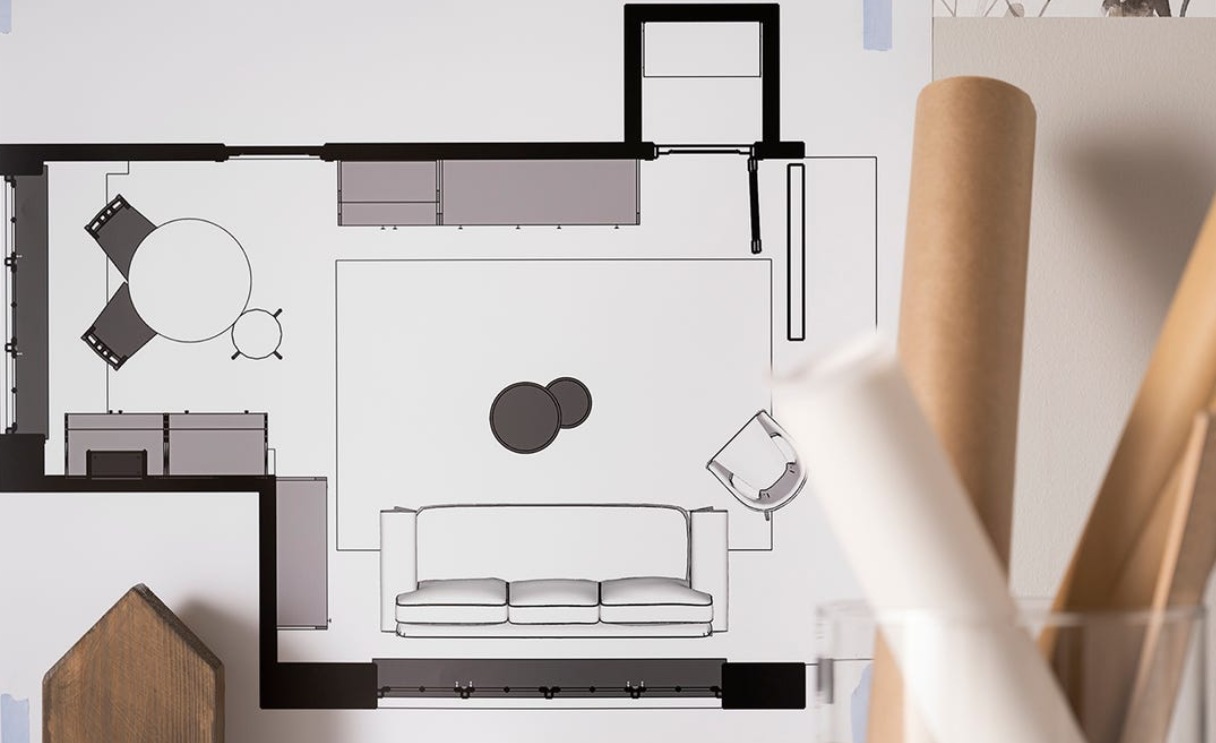
Transforming your home into a stylish, functional, and comfortable space requires more than just good taste—it demands expertise, planning, and attention to detail. That’s where hiring a local interior designer becomes a game-changer. Whether you’re revamping a single room or undertaking a full home makeover, choosing the right professional can significantly impact the final result.
In this comprehensive guide, you’ll learn how to choose the best local interior designers for your home makeover project, what factors to consider, and how to ensure your investment delivers maximum value.
Why Hiring a Local Interior Designer Matters
When planning a home makeover, many homeowners consider DIY approaches. While this may work for small projects, larger renovations benefit from professional guidance.
1. Understanding of Local Trends and Styles
Local designers are familiar with regional aesthetics, climate considerations, and popular design trends. For example, homes in tropical regions like Indonesia often prioritize ventilation, natural lighting, and moisture-resistant materials.
2. Access to Local Resources
Interior designers in your area typically have established relationships with local suppliers, contractors, and artisans. This can help you get better pricing and faster project completion.
3. Easier Communication and Site Visits
Working with someone nearby ensures smoother communication, frequent site visits, and quicker problem-solving during the renovation process.
Step 1: Define Your Goals and Budget
Before you start searching for a designer, you need clarity on what you want.
Identify Your Needs
Ask yourself:
- Are you renovating a single room or the entire house?
- Do you need structural changes or just aesthetic improvements?
- What style are you aiming for (modern, minimalist, classic, industrial)?
Set a Realistic Budget
Budgeting is crucial. Include:
- Design fees
- Materials and furniture
- Labor costs
- Contingency (10–20% for unexpected expenses)
Having a clear budget helps you filter designers who can work within your financial limits.
Step 2: Research Local Interior Designers
Finding the right designer starts with research.
Where to Look
- Google search (“interior designers near me”)
- Social media platforms like Instagram and Pinterest
- Online directories and design marketplaces
- Recommendations from friends and family
What to Look For
- Portfolio quality
- Design style compatibility
- Client reviews and testimonials
- Years of experience
Step 3: Review Portfolios Carefully
A designer’s portfolio is the best indicator of their capability.
Key Elements to Analyze
- Variety of projects
- Before-and-after transformations
- Attention to detail
- Use of space and lighting
Match Their Style With Yours
If you prefer minimalist interiors, hiring a designer who specializes in luxury classical designs may not be the best fit.
Step 4: Check Credentials and Experience
Not all interior designers are created equal.
Qualifications to Consider
- Formal education in interior design
- Certifications or memberships in design organizations
- Years of professional experience
Specialized Experience
If your project involves specific needs—like small-space optimization or eco-friendly design—choose someone with relevant expertise.
Step 5: Conduct Interviews
Once you shortlist potential designers, schedule consultations.
Questions to Ask
- What is your design process?
- Can you work within my budget?
- How do you handle project timelines?
- Do you collaborate with contractors?
Evaluate Communication Skills
A good designer should:
- Listen to your ideas
- Offer constructive suggestions
- Communicate clearly and professionally
Step 6: Understand Their Design Process
Every designer has a unique workflow.
Typical Process Includes:
- Initial consultation
- Concept development
- Space planning
- Material selection
- Execution and supervision
Understanding their process helps you know what to expect at each stage.
Step 7: Discuss Budget Transparency
Budget misunderstandings can lead to major issues.
Ensure Clarity On:
- Design fees (fixed or percentage-based)
- Cost estimates for materials
- Payment schedule
- Additional charges
A professional designer will provide a detailed breakdown of costs.
Step 8: Evaluate Project Management Skills
Interior design is not just about aesthetics—it’s also about execution.
Why It Matters
A skilled designer:
- Coordinates with contractors
- Manages timelines
- Handles unexpected challenges
This ensures your project stays on track and within budget.
Step 9: Check References and Reviews
Never skip this step.
What to Look For
- Client satisfaction
- Timeliness
- Problem-solving ability
- Professionalism
Reach out to past clients if possible for honest feedback.
Step 10: Visit Completed Projects (If Possible)
Seeing a designer’s work in real life provides better insight than photos.
What to Observe
- Quality of materials
- Finishing details
- Functionality of the space
Step 11: Assess Compatibility
Your interior designer will be your partner throughout the project.
Important Factors
- Mutual understanding
- Trust and transparency
- Flexibility in adapting ideas
A good working relationship ensures a smoother process.
Step 12: Review the Contract Thoroughly
Before signing any agreement, review all terms carefully.
Key Elements in a Contract
- Scope of work
- Timeline
- Payment terms
- Responsibilities
- Cancellation policy
Make sure everything discussed is documented.
Common Mistakes to Avoid
1. Choosing Based on Price Alone
Cheaper doesn’t always mean better. Quality and experience matter more.
2. Ignoring Communication Issues
Poor communication can lead to misunderstandings and delays.
3. Skipping Research
Hiring without proper research increases the risk of dissatisfaction.
4. Not Setting Clear Expectations
Be specific about your requirements from the beginning.
Benefits of Hiring the Right Interior Designer
1. Professional Expertise
Designers bring creativity and technical knowledge to the table.
2. Time Savings
They handle planning, sourcing, and coordination.
3. Cost Efficiency
Avoid costly mistakes and get better deals through their network.
4. Personalized Design
Your home reflects your personality and lifestyle.
Trends in Home Makeovers
Staying updated with trends can help you make informed decisions.
Popular Trends Include:
- Sustainable and eco-friendly materials
- Smart home integration
- Minimalist and clutter-free spaces
- Multi-functional furniture
How Local Designers Add Unique Value
Local designers understand:
- Climate conditions
- Cultural preferences
- Availability of materials
This ensures your home is both beautiful and practical.
DIY vs Hiring a Professional
| Aspect | DIY | Professional Designer |
|---|---|---|
| Cost | Lower upfront | Higher upfront |
| Time | Longer | Faster |
| Expertise | Limited | High |
| Results | Uncertain | Professional |
For major renovations, hiring a designer is usually the better choice.
Tips for a Successful Collaboration
- Be open to new ideas
- Communicate regularly
- Trust the process
- Provide feedback promptly
Final Thoughts
Choosing the right local interior designer for your home makeover is one of the most important decisions you’ll make in your renovation journey. It’s not just about aesthetics—it’s about creating a space that enhances your lifestyle, comfort, and well-being.
By defining your goals, researching thoroughly, evaluating portfolios, and ensuring clear communication, you can find a designer who aligns with your vision and budget.
Investing time in selecting the right professional will pay off in the form of a beautifully designed home that you’ll enjoy for years to come.
FAQs
1. How much does it cost to hire an interior designer?
Costs vary depending on experience, project size, and location. It can range from a fixed fee to a percentage of the total project cost.
2. How long does a home makeover take?
It depends on the scope. A single room may take a few weeks, while a full home renovation can take several months.
3. Can I work with a designer remotely?
Yes, but hiring a local designer offers better site supervision and coordination.
4. Do interior designers handle construction work?
Many designers collaborate with contractors and oversee the execution process.